
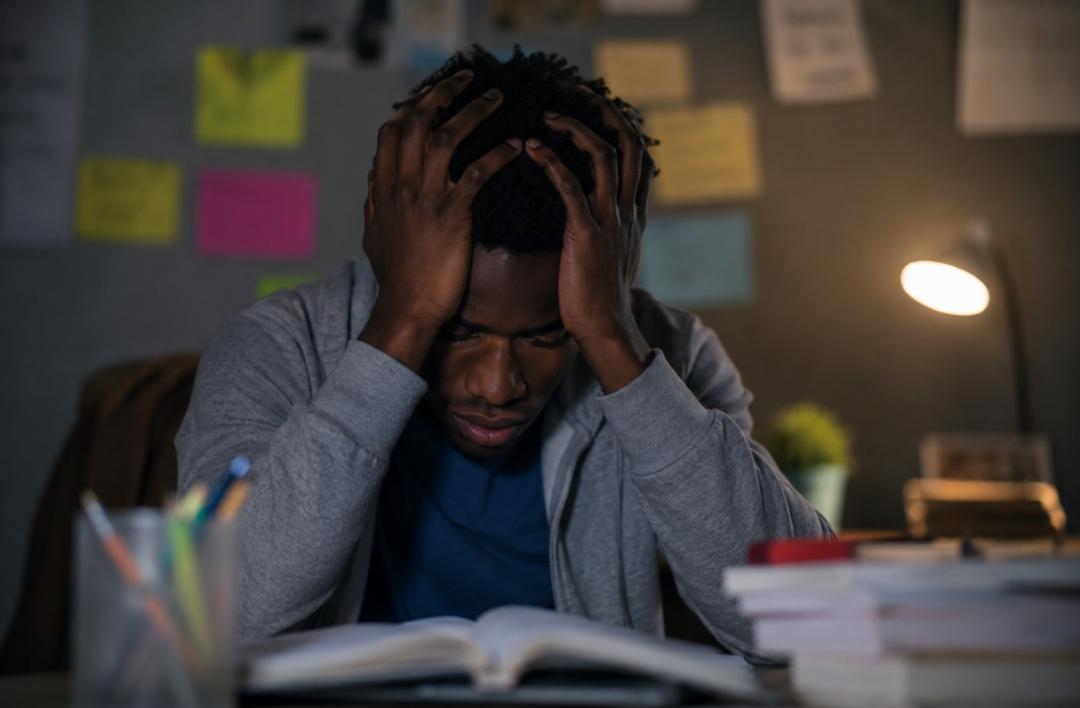
Many young people across Uganda are struggling with depression, anxiety and emotional distress driven by unemployment, poverty, academic pressure and social media influence, with experts warning that the situation is worsening amid weak mental health services and persistent stigma.
Behind smiles, social media posts and daily routines, many young people across Uganda are silently battling depression, anxiety, stress and emotional breakdowns as mental health challenges continue to rise among the youth.
Health experts, teachers and parents are increasingly raising concern over the growing number of young people struggling with psychological distress linked to unemployment, academic pressure, drug abuse, broken families and economic hardships.
Although many cases remain unreported due to stigma and fear, mental health specialists warn that the crisis among Uganda’s youth is becoming a national emergency. Recent findings from the 2025 State of Uganda Population Report described mental health as a “silent emergency,” with unemployment and hopelessness among youth cited as major causes.
In Masaka, local leaders say cases of depression, alcohol abuse and suicide attempts among young people are increasingly being reported in schools and communities.
“We are losing many young people silently because they fear speaking out,” said Florence Namayanja, Mayor of Masaka City. “Most youths are carrying emotional pain from poverty, unemployment and family problems, but society expects them to remain strong all the time,” she added.
At several schools in Masaka, teachers say learners are increasingly showing signs of emotional distress, anxiety and behavioural changes.
“Some students completely lose concentration in class because of stress from home,” said Abdul Hakiim Nyombi, director of Sunrise Junior School.
“You find a child dealing with domestic violence, lack of school fees or pressure to perform academically,” Nyombi explained.
Research published in BMC Psychiatry has found rising cases of depression and anxiety among school-going adolescents in Uganda, especially in communities affected by poverty and social challenges.
Mental health experts say social media pressure is also worsening the situation, with many youths comparing their lives to unrealistic lifestyles they see online.
“Young people are under pressure to succeed quickly,” said Dr. Samuel Kayiwa, a mental health advocate. “Social media has created unrealistic expectations, and when life becomes difficult many youths feel like failures,” he said.
At Butabika National Referral Mental Hospital, doctors say the number of young patients seeking mental health services has increased sharply in recent years.
Dr. Juliet Nakku, the Executive Director of Butabika Hospital, has previously warned that the facility is operating beyond capacity due to the growing mental health burden in the country.
Reports also indicate that most suicides in Uganda occur among people aged between 15 and 29 years.
In towns across Greater Masaka, unemployed youths say financial hardship and uncertainty about the future are pushing many into depression and substance abuse.
“You wake up every day without work, without money and without hope,” said Brian Ssenyonjo, a resident of Mukudde Village. “Some people end up drinking alcohol or taking drugs just to escape reality,” he added.
Online discussions among Ugandan youths also reflect growing frustration over stress, depression and lack of affordable mental health support services. On Reddit, some users have pointed to economic hardship, drug abuse and lack of counselling services as key drivers of worsening mental health challenges among young people.
One user described how many young Ugandans “don’t see a future for themselves” amid rising pressure and limited opportunities.
Experts say that despite the increasing crisis, mental health services in Uganda remain underfunded and largely inaccessible, especially in rural areas. According to recent reports, mental health receives less than one percent of Uganda’s health budget.
Many communities also continue to associate mental illness with witchcraft, weakness or indiscipline, making it difficult for victims to seek help openly.
“In many families, a child suffering from depression is simply told to pray harder,” said Mayor Florence Namayanja. “But mental health is real and should be treated like any other illness,” she added.
Civil society organisations are now calling for mental health education in schools, more counsellors, rehabilitation centres and increased government funding for youth mental health programmes.
Some organisations have introduced telephone counselling services and awareness campaigns targeting young people struggling with emotional distress.
Health experts say addressing the crisis will require stronger family support systems, job creation, school counselling programmes and nationwide campaigns to reduce stigma surrounding mental illness.
As the pressures of modern life continue to weigh heavily on young people, many fear that unless urgent action is taken, more youths could continue suffering in silence.
